


How do you clean and prepare reclaimed bricks before use?
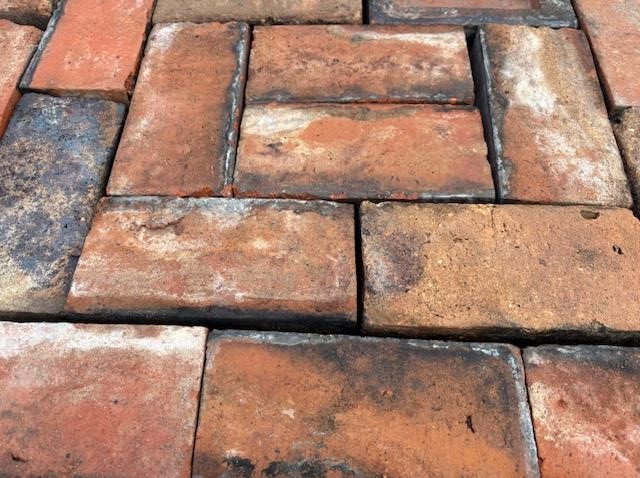
Reclaimed bricks are an excellent way to add character, durability, and sustainability to your building or landscaping project. Whether you’re restoring a period property, creating a garden wall, or adding rustic charm to an extension, reclaimed bricks provide a unique look that modern bricks often can’t replicate.
However, before they can be reused, reclaimed bricks must be properly cleaned and prepared. This ensures they bond correctly with new mortar and remain structurally sound. Below is a simple step-by-step guide to preparing reclaimed bricks for your next project.
Why Preparing Reclaimed Bricks Matters
Unlike new bricks, reclaimed bricks often come with old mortar, dirt, paint, or debris attached. If these materials are not removed, they can:
- Prevent proper bonding with fresh mortar
- Cause uneven brickwork
- Affect the appearance of the finished project
- Reduce the durability of the structure
Taking the time to prepare your bricks correctly will improve both the quality and longevity of your build.
💡 Reclaimed Bricks vs New Bricks – Which is Better?
Step 1: Remove Old Mortar
The most important part of preparing reclaimed bricks is removing any old mortar.
Tools you may need:
- Brick hammer
- Cold chisel
- Lump hammer
- Bolster chisel
Carefully chip away the old mortar from the brick surfaces, especially the bed faces (top and bottom surfaces where mortar sits). Work slowly to avoid damaging the brick itself.
For large quantities of bricks, professionals sometimes use mechanical brick cleaning machines to speed up the process.
Step 2: Brush Off Loose Dirt and Debris
Once the mortar is removed, brush the bricks to remove loose dust, dirt, and small particles.
A stiff wire brush works well for this job. Pay particular attention to the edges and grooves where debris tends to collect.
This step helps ensure the bricks are clean enough for the next stage.
Step 3: Wash the Bricks
After brushing, wash the bricks with clean water to remove remaining dirt.
You can do this by:
- Using a garden hose
- Soaking them in a large container or bucket
- Lightly pressure washing them
Avoid extremely high pressure, as older bricks can be softer than modern ones and may become damaged.
Let the bricks dry naturally after washing.
Step 4: Check for Damage
Before using reclaimed bricks in construction, inspect them carefully.
Look for:
- Cracks
- Structural damage
- Excessive wear
- Soft or crumbling areas
Bricks that are badly damaged should not be used for load-bearing walls, but they can still work well for landscaping or decorative projects.
Step 5: Sort the Bricks
Reclaimed bricks often vary in colour, texture, and size. Sorting them before use can make the building process easier and help create a more consistent finish.
You may wish to group them by:
- Size
- Colour tone
- Type of brick
This is especially helpful for visible brickwork where appearance matters.
Step 6: Lightly Dampen Before Laying
Just before laying the bricks, lightly dampen them with water. This prevents them from absorbing moisture too quickly from the mortar, which helps achieve a stronger bond.
Avoid soaking them completely; just a light misting is enough.
Final Thoughts
Reclaimed bricks offer timeless character and environmental benefits, but preparation is key to achieving the best results. By carefully removing old mortar, cleaning the bricks, and inspecting them for quality, you can ensure they perform just as well as new materials while preserving their unique charm.
💡 Learn more about whether our reclaimed bricks are suitable for modern homes and extensions.
Looking for Quality Reclaimed Bricks?
If you’re planning a project and want high-quality reclaimed bricks that are ready to use, Gardiners Reclaimed Building Materials offers a wide range of reclaimed bricks, stone, and architectural materials.
Whether you’re restoring a historic property or creating a feature wall with authentic character, their team can help you find the perfect materials for your build.
Get in touch with Gardiners Reclaimed Building Materials today to explore their reclaimed brick stock and start your project with materials that combine history, durability, and style.

