


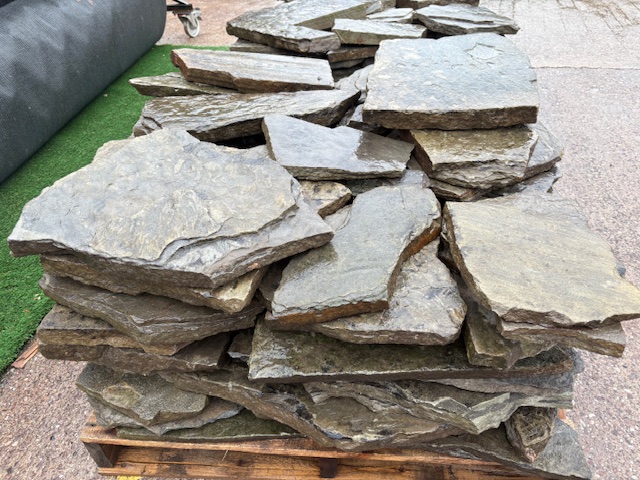
Can Reclaimed Paving Be Used for Driveways and High Traffic Areas?
Reclaimed paving has a timeless appeal. Whether it is the warm patina of old York stone or the rich, earthy tones of Victorian cobblestones, salvaged materials bring a depth of character that no new product can replicate. But a question we hear regularly at Gardiners Reclaimed Building Materials is this: is reclaimed paving actually strong enough for a driveway, or a courtyard that sees daily footfall and vehicle movement?
The short answer is yes. Reclaimed stone, brick, and setts have, in many cases, already survived a century or more of heavy use. When selected carefully and laid correctly, they can outperform modern alternatives in both durability and visual impact. This guide walks you through everything you need to know before making a decision.
| Ready to explore your options? Check out our reclaimed paving. |
Why Reclaimed Paving Is Naturally Suited to Heavy Use
It is easy to assume that older materials are more fragile. In practice, the opposite is often true. Much of the reclaimed stone and brick available today was quarried or fired during an era when building materials were made to last for generations. Stone used in Victorian street paving, for example, was selected specifically for its load-bearing properties.
The materials that stand up best
Not all reclaimed paving is equal. The following materials are particularly well-suited to driveways and high-traffic areas:
- York stone (sandstone): Dense and frost-resistant, York stone was the paving of choice for industrial-era streets across the North of England. Reclaimed York stone flags are typically 50 to 100mm thick, giving them excellent compressive strength.
- Granite setts: Originally used on roads and dock yards, granite setts are arguably the most durable paving material available in reclaimed form. They handle vehicle weight and freeze-thaw cycles with ease.
- Reclaimed clay pavers and engineering bricks: Fired at high temperatures, Victorian engineering bricks were designed for infrastructure projects. Their low water absorption makes them ideal for wet climates.
- Belgian and Scottish limestone: Quarried for centuries and used in heavy-traffic settings across Europe, reclaimed limestone flags offer both strength and a refined finish.
What to Consider Before Laying Reclaimed Paving on a Driveway
The paving material itself is only part of the equation. A reclaimed surface will only perform well if the groundwork beneath it is right. Here are the key factors to think through before you start.
1. Thickness and load rating
For pedestrian areas, reclaimed flags of 50mm thickness are generally sufficient. For vehicle traffic, you want a minimum of 75mm, and for heavier vehicles such as vans or lorries, 100mm or more is advisable. Granite setts are typically set at a depth of 100 to 150 mm, making them one of the strongest options available.
2. A proper sub-base
No surface, reclaimed or new, will hold up under vehicle loads without a solid sub-base. A well-compacted layer of Type 1 MOT hardcore, typically 150mm deep for car traffic, is the standard starting point. This is then topped with either a sand-and-cement bed for flags, or a compacted sand layer for setts.
3. Consistent sizing and thickness
One of the practical challenges with reclaimed materials is that individual pieces can vary in thickness. This is part of their charm in a garden setting, but on a driveway it needs to be managed carefully. Sorting pieces by thickness before laying, or using an adjustable mortar bed, allows you to achieve a stable, even surface.
4. Drainage
Permeable driveways are increasingly required under planning regulations in the UK, particularly for front gardens. Reclaimed setts and cobbles, when laid with open joints filled with grit rather than mortar, create a naturally permeable surface. This can be an advantage over many modern paving options.
5. Frost resistance
Most reclaimed natural stone and well-fired brick is inherently frost-resistant, having already endured decades of British winters. However, if you are sourcing stone that has been stored outside for a long time, it is worth checking for any signs of spalling or surface delamination before purchase.
| Want guidance on choosing the right thickness and type? Contact us. |
Reclaimed Paving vs. New Paving for Driveways: A Quick Comparison
| Factor | Reclaimed Paving | New Paving |
|---|---|---|
| Durability | Proven over decades or centuries | Depends on product quality |
| Character | Unique patina and texture | Uniform, can look artificial |
| Sustainability | Highly sustainable, zero new extraction | Requires new quarrying or manufacture |
| Size consistency | Variable, needs sorting | Consistent |
| Permeability | Excellent with open jointing | Varies by product |
| Cost | Comparable or lower for quality stone | Wide range |
| Availability | Stock varies, source early | Generally available to order |
Common High-Traffic Applications for Reclaimed Paving
Reclaimed stone and brick are used successfully in a wide range of demanding settings:
- Residential driveways: Reclaimed granite setts and York stone flags are both popular choices, giving a distinctly traditional aesthetic that suits period properties especially well.
- Courtyards and farmyards: Large reclaimed cobblestones or roughly dressed limestone flags handle tractor and vehicle movement in rural settings, as they have done for centuries.
- Commercial and listed building contexts: Planning authorities frequently require reclaimed materials in conservation areas and around listed buildings, making them the only permissible option.
- Pub gardens and hospitality spaces: Reclaimed brick and cobbles create inviting outdoor areas that cope well with foot traffic and outdoor furniture.
- Paths and terraces adjacent to driveways: Where a main driveway uses new block paving, reclaimed stone is often used to complement it for paths and borders.
Tips for Sourcing Reclaimed Paving for a Driveway Project
Getting the right material for a high-traffic application requires a bit more care than sourcing paving for a garden path. Here are some practical pointers:
- Calculate your quantities early. Reclaimed stock is finite. If you find a material you love, it is worth securing enough to complete the job rather than hoping more will be available later.
- Ask about provenance. Good reclaim yards can often tell you where stone or brick has come from. Street-salvaged granite setts, for example, are a strong indicator of genuine durability.
- Sort for thickness. Ask whether pieces have been sorted, or whether you can inspect them before purchase. For driveways, consistent thickness across the batch makes laying considerably easier.
- Factor in wastage. Order 10 to 15 per cent extra to allow for cuts, breakages, and any pieces that turn out to be unsuitable on closer inspection.
- Choose a specialist supplier. Not all reclaimed materials are graded for structural use. A reputable specialist will advise you honestly on which stock is suitable for your application.
| Not sure what you need? Take a look at our reclaimed paving. |
Frequently Asked Questions
Is reclaimed paving more expensive than new paving?
It depends on the material. Reclaimed granite setts and York stone are often priced similarly to, or lower than, their new equivalents, especially when you factor in the visual quality and thickness you get with salvaged material. Reclaimed clay pavers can be very cost-effective compared to new equivalents.
Do I need planning permission to lay a reclaimed stone driveway?
In England, you generally do not need planning permission for a driveway if the surface is permeable, or if water drains to a lawn or border rather than the road. Reclaimed setts and cobbles laid with open joints meet the permeable requirement. If you are in a conservation area or near a listed building, your local authority may have additional requirements, and reclaimed materials are often the preferred or required option in these cases.
How do I maintain reclaimed paving on a driveway?
Reclaimed natural stone requires very little maintenance. An occasional sweep and a jet wash once or twice a year is usually sufficient. You may wish to apply a penetrating sealant to limestone or sandstone to reduce staining from oil or moss. Granite setts are largely maintenance-free. Re-pointing open joints every few years keeps the surface stable and looking its best.
Can I lay reclaimed paving myself, or do I need a specialist?
Smaller pedestrian areas can be a rewarding DIY project, particularly with setts or smaller flags. For driveways or any surface that will take vehicle weight, it is strongly advisable to use a qualified paving contractor who can ensure the sub-base and laying method are appropriate for the load. A beautiful surface laid on a poor foundation will not last.
What is the best reclaimed material for a cobbled driveway look?
Belgian granite setts are the classic choice for the traditional cobbled appearance. They come in several sizes, from small 100x100mm cubes to larger rectangular formats, and their natural variation in grey and blue tones creates an authentic, timeless surface. Scottish granite setts offer similar qualities with a slightly different colour palette.
The Verdict
Reclaimed paving is not just suitable for driveways and high-traffic areas; in many cases it is the best possible choice. The materials have a proven track record that stretches back generations, and their visual character is impossible to replicate with new products. The key is matching the right material to the application, ensuring a proper sub-base, and sourcing from a supplier who knows their stock.
At Gardiners Reclaimed Building Materials, we have helped customers source the right reclaimed stone and brick for projects of every scale, from cottage driveways to commercial courtyards. If you are planning a project and would like some guidance, our blog is a good place to start.
| Explore ideas, advice, and available stock at gardinersreclaims.co.uk |


